
2027 Open Enrollment: Rising Health Insurance Costs
Small Business, Health Insurance, 2027 Open Enrollment
2027 Open Enrollment: What Small Business Owners Need to Know About Rising Health Insurance Costs
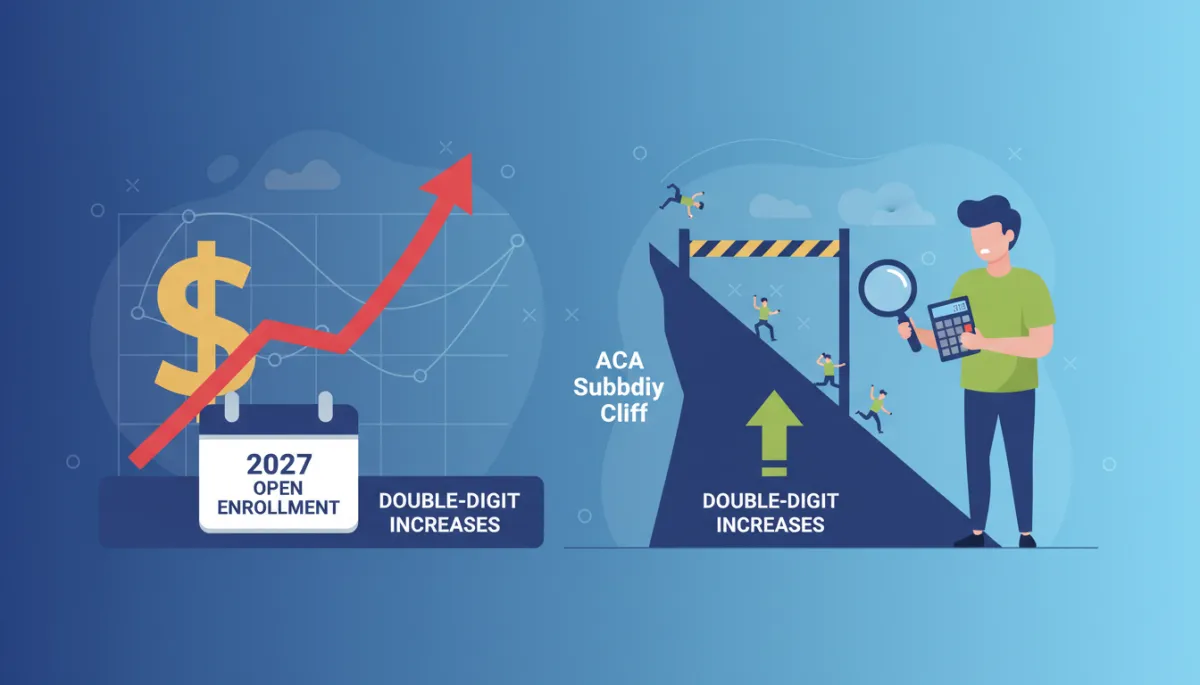
If you feel like every renewal season brings another painful health insurance hike, you are not imagining it. The 2027 open enrollment period is shaping up to be especially challenging, with projected double-digit increases and the likely return of the ACA subsidy cliff that hits medium- to higher-income households hardest. For many small business owners and independent professionals, this could mean paying the full cost of already expensive coverage.
A Shorter, Higher-Stakes 2027 Open Enrollment Window
For the 2027 plan year, the annual open enrollment period for individual and ACA marketplace plans will be tighter and more time-sensitive. Federally facilitated exchanges like HealthCare.gov are expected to run from November 1 through December 15, 2026, with states allowed some flexibility but capped at a maximum nine-week window ending no later than December 31. Any plan you choose during that time will typically start January 1, 2027.
For busy owners and professionals who already juggle payroll, year-end sales, and tax planning, this shorter window raises the risk of missing deadlines or making rushed choices. There will be less time to compare options, run the numbers, and decide whether to stay with a group plan, move employees to the marketplace, or explore other arrangements.
Double-Digit Increases: Why Premiums Keep Climbing
While exact 2027 rates are not finalized, projections point toward double-digit premium increases in many markets. This continues a long-term trend of healthcare costs outpacing wages and general inflation, driven by rising hospital prices, specialty drugs, and increased utilization of services. Analyses from organizations like KFF and the Commonwealth Fund show premiums have been steadily marching upward for years, with small employers often absorbing the brunt because they lack large-group bargaining power.
For a small professional firm or family business, a 10–15% jump can mean thousands of extra dollars a year—money that could otherwise go to hiring, raises, or reinvestment. When you add in deductibles and out-of-pocket costs, health coverage can start to feel less like a benefit and more like an anchor on your budget.

Forecasting 2027 premiums now can prevent budget shocks later.
The ACA Subsidy Cliff: Why Medium to Higher Incomes Are at Risk
Since 2021, enhanced subsidies under the American Rescue Plan, extended by the Inflation Reduction Act, have softened premium costs for many marketplace enrollees by eliminating the hard cutoff at 400% of the federal poverty level. Those enhanced subsidies are only guaranteed through 2025. If Congress does not extend them, we are likely back to the original ACA subsidy cliff by 2027.
The cliff is exactly what it sounds like: once your household income creeps just above the eligibility threshold, you can lose subsidies entirely and be forced to pay the full, unsubsidized premium. For small business owners, consultants, and other professionals with fluctuating income, this creates a painful squeeze. A strong year in revenue can translate into a massive jump in health insurance costs the following year, even if your actual cash flow feels tight.
Day-to-Day Challenges for Small Business Professionals
Owners and independent professionals face a unique set of challenges when managing health insurance costs:
Unpredictable income: Variable revenue makes it hard to estimate income for subsidy purposes without risking a later cliff.
Limited HR support: Many small firms lack a benefits specialist, leaving the owner to decipher complex rules on their own.
Retention pressure: Dropping or downgrading coverage can make it harder to attract and keep skilled employees.
Time crunch: The tighter 2027 open enrollment window collides with your busiest season, increasing the risk of costly mistakes.
Practical Ways to Navigate the 2027 Changes
While you cannot control national policy or medical inflation, you can take steps now to reduce the shock of 2027:
Start planning early. Mark your calendar for November 1, 2026, and aim to review options at least a month in advance. Do not wait until December to run comparisons.
Model different income scenarios. Work with your accountant to project 2027 household income and see where you land relative to the potential subsidy cliff. Small adjustments in how and when you take income might preserve valuable assistance if subsidies remain available in some form.
Compare group, individual, and alternative arrangements. For some small teams, individual marketplace plans paired with a defined employer contribution or a health reimbursement arrangement can be more predictable than a traditional small-group policy.
Use professional help. Licensed brokers and benefits consultants will be operating under tighter oversight and clearer rules by 2027, which can work to your advantage. Lean on their expertise instead of going it alone.
The 2027 open enrollment season will not be easy, especially if double-digit increases and a renewed ACA subsidy cliff collide. But by understanding the rules now, building health costs into your long-term financial plan, and getting guidance before the enrollment rush, you can protect both your business and your family from the worst of the impact.